

Whether it’s for more room, a new career, a shorter commute, or to be closer to (or away from) family, a prevalent concern is how to relocate in a way that doesn’t negatively impact the environment.
As it is, the 290+ million tons of waste the United States produces annually is topped off by the 40 million households that relocate every year. Those 353 million gallons of fuel, 90 million pounds of packing paper, 30 million rolls of tape, and 8.4 million tons of garbage are expressed in more understandable terms.
Let’s just say there’s potential for a lot more vegetation along the way to your shiny new brownstone. While it may be unrealistic to achieve a really waste-free existence, striving for a waste-free ideal can help you to throw away less.
How does packing and moving cause so much trash? To begin with, many types of packaging are made from petroleum compounds, which require the burning of fossil fuels, cause environmental damage, and take decades to degrade. Second, many cardboard boxes and other recyclable materials are thrown away improperly and wind up in landfills. Third, if you’re transporting your belongings by plane or vehicle, you’ll be responsible for GHG emissions from the fuel used.
There’s also the inevitable trash from the things you’d prefer toss out than bring along. Moving sometimes necessitates a significant trip to the garbage, including food thrown out because it would perish in transit, children’s DVDs, and hostess presents from 2013. However, that’s not how things have to be.
While it’s inevitable that your move will leave some sort of environmental impact, doing so with as little waste as possible is simple. These adjustments, if well-thought-out and implemented, may reduce your financial and emotional burdens as well as your negative effects on the environment.
1. Pack Smarter
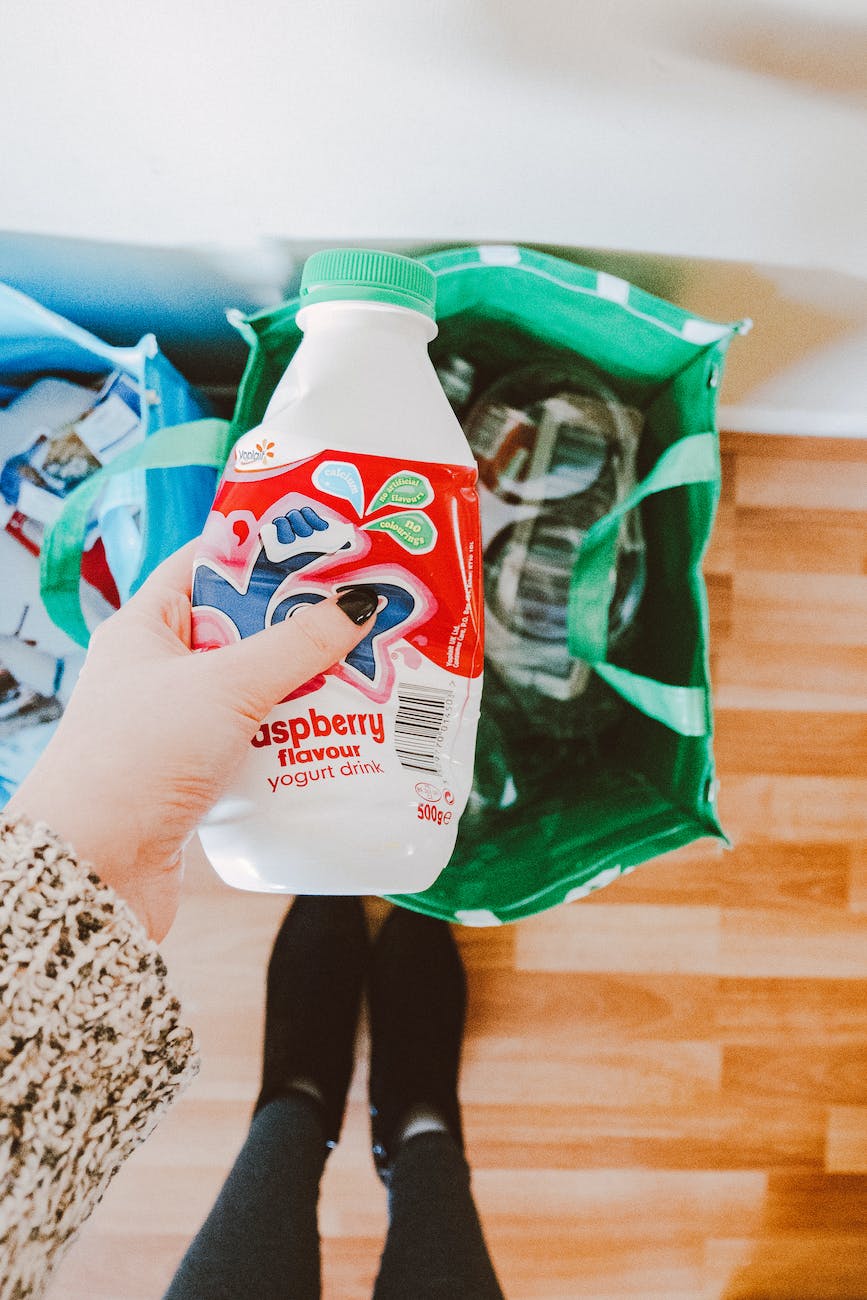
Use what you already have as a starting point for reducing moving waste. Fill your luggage, old camp trunks, duffel bags, backpacks, totes, and any vintage crates you’ve been using as bookcases before you start packing boxes.
2. Rent Reusable Moving Bins
As the relocation day approaches, if your stack of boxes appears insufficient, do not rush out to purchase more. (And do not engage in retail therapy merely for the cardboard packaging!) Consider renting reusable crates instead. Typically made of rigid plastic with snap-shut closures, they eliminate the need for both boxes and adhesive.
3. Just The Essentials, Please
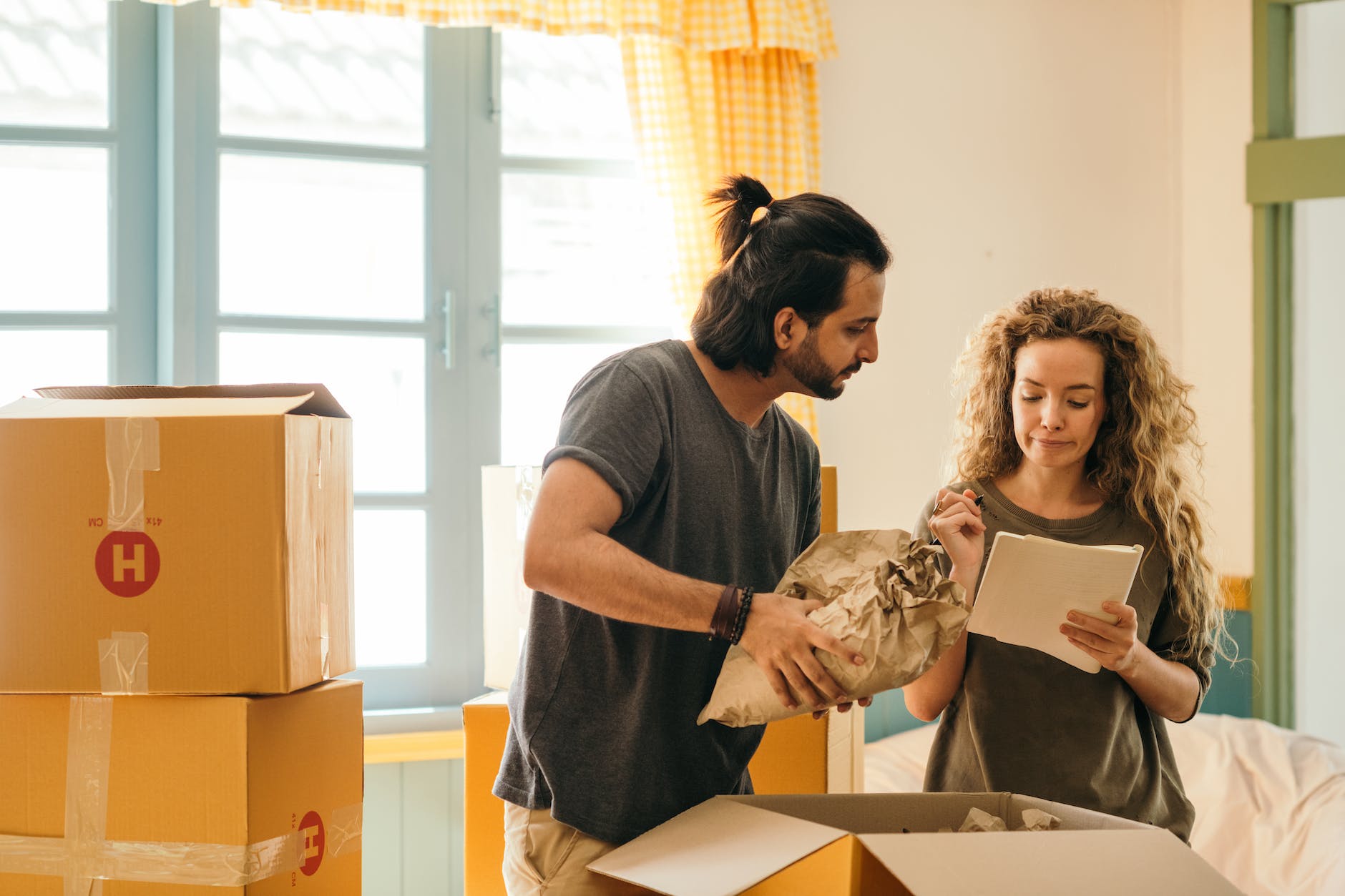
Is it necessary to save the expired emergency water jugs and the clothes that haven’t been worn in years? Instead of packing everything up and paying to have it shipped to your new home, only move the things you actually need and give away or recycle the rest.
4. Find Movers Who Care About the Environment
Hiring a moving company that is committed to sustainability is a terrific method to reduce your carbon footprint if you need a truck to move everything and/or want someone to carry the boxes for you. Find out more about things to look for in a green-moving company with the help of this article. Simply put?
To find a new home for your donations, research businesses that provide reusable boxes, biodegradable or recyclable packaging materials, cars powered by biodiesel or electricity, and charity collaborations.

5. Declutter and Let It Go
Every year, Americans throw away 8.4 million tons of garbage. Even charities can get flooded with donations that are unfit for their intended use due to dirt or damage. Instead of just piling up trash cans or thrift store donations, sort them first. Then, locate recipients for the squeaky-clean, useful goods. Finally, if anything is too worn down, unclean, or out-of-date to be used in its current form, upcycle it, recycle it, or (sigh) throw it away.
Where else except a thrift store can you give away your old stuff? If you have an extra coffee machine lying around, you may post it on Instagram or sell it on Buy Nothing, Craigslist, or Facebook Marketplace. Just like a donation, but without the bother of transporting the items yourself, you can post items online for free to anyone who is willing to pick them up. Another option is to check whether there is a “swap shop” section or tent set up at your local landfill, where individuals can leave their “trash” that is in good enough condition to be someone else’s treasure.
You can find a couch for your new living room on Facebook Marketplace, a desk for your new home office at your neighborhood swap meet, or the furniture you need from friends who are also moving.
6. Boxes Should Be Saved in Advance
If you need boxes, the ones that arrive at your door are a good place to start. It’s possible that in the two years since the pandemic, you’ve gone through more cardboard boxes than in the previous ten combined, thanks to the surge in online shopping that coincided with the outbreak.
Despite this, many people who relocate buy boxes from a store or hire movers only to throw them away afterwards. Start saving up for moving boxes as soon as you know you’re relocating to cut down on moving-related expenses and trash. If your friends have relocated using regular moving boxes, you can always steal their empty boxes once they’ve unpacked. You can save money by recycling the boxes or using them again. Win-win.
7. Check Your Linen Closet
The linen closet (and the recycling receptacle) must be combed. Tableware and lamps frequently require additional protection. Swaddle breakables with clothes, linens, pillows, kitchen towels, and other soft items you’ll need to transport anyway, rather than using excessive amounts of bubble wrap and packing peanuts. Then you can, so to speak, put two birds in one box!
Additionally, you may have old paper strewn around your home. If you receive traditional, door-delivered newspapers and periodicals, keep back issues as you prepare to relocate. You can then use them to protect fragile items as you load. Simply return it to the recycling receptacle following your move.
8. Get Eco-Friendly Packing Supplies
Tape is useful if you plan on recycling boxes from mail or friends’ moves. You may also want padding materials if the ratio of dishes to pillowcases leaves fragile things uncovered. Thankfully, there are more eco-friendly solutions than ever before in the realm of moving supplies. Check out the Green Business Bureau’s top ten list for even more inspiration.
9. Shop Local For Moving Supplies
Consider purchasing supplies like tape, boxes, insulation, etc. from a business in your immediate area. In this way, you may help your local economy while also reducing the environmental impact of transporting the goods to your home.
10. Conclusion
What are some eco-friendly methods of transportation?
Actions that reduce waste and greenhouse gas emissions are good for the environment. Use what you have on hand as a starting point: Use luggage and shipping boxes, and cushion breakables with towels, pillows, and newspapers. Instead of buying new cardboard boxes every time, consider renting some to use as packing material. And if you’re going to need packaging, switch to paper tape, starch packing peanuts, or paper honeycomb rolls instead of plastic tape, styrofoam packing peanuts, and bubble wrap. And if you’re relocating across the country, use a truck instead of air freight to transport your goods.
How can I pack my belongings in the least amount of time?
It’s best to use what you already have while packing. Pack up your luggage and trunks for the trip. Protect fragile goods with soft items like sheets, towels, pillows, and sweaters, all of which you will need to move anyhow. To maximize your fuel efficiency, always have a full load in your car, even if you’re just travelling a short distance, like from your old location to your new place to pick up the keys.
A green action is…
A green action is one that considers the consequences for the planet. That may entail fostering a circular economy, decreasing waste, or cutting down on carbon emissions. The ability to recognize and weigh alternatives is also essential. Paper tape, for instance, is both renewable and biodegradable. However, given the energy requirements of paper mills, the manufacturing of paper tape may result in more greenhouse gas emissions than other plastic options. In general, a green move is one that takes Earth’s best interests into account.
 Blue Dolly Moving Helpers